M.Sc. Psychologist, Psychotherapist
Anna Dunkel
Private practice for psychotherapy and counseling
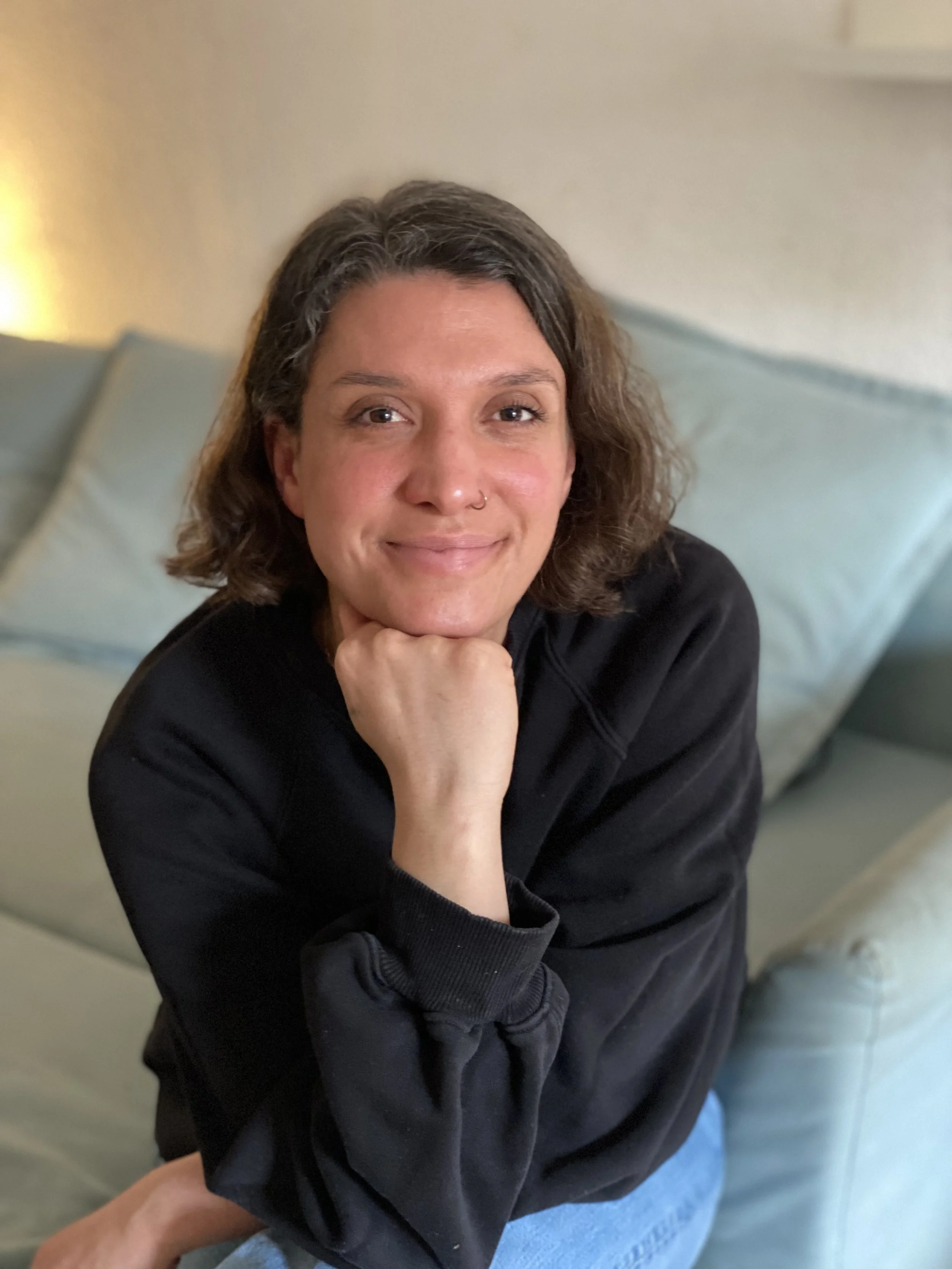
Change begins with the courage to take the first step. In my private practice for psychotherapy in Berlin-Lichtenberg, near the border with Friedrichshain, I support adults with empathy and professionalism on their journey. Together, in a safe and confidential space, we work to understand distressing patterns and develop new perspectives. I combine modern cognitive behavioral therapy with elements of schematherapy, emotion-focused therapy (EFT), and hypnotherapy. Relaxation techniques are also regularly integrated into the process. Through this dialectical approach, both current symptoms and deeply rooted patterns can be addressed gently and transformed sustainably. I treat privately insured clients, self-paying clients, as well as clients with statutory health insurance within the framework of Kostenerstattung.
Psychotherapy and Counseling
In Germany, there are four scientifically recognized psychotherapeutic treatment approaches: analytic psychotherapy, psychodynamic psychotherapy, systemic therapy, and cognitive behavioral therapy. All of these approaches have been scientifically evaluated for their effectiveness and are recognized by statutory health insurance providers. I work with cognitive behavioral therapy (CBT). This approach is based on the assumption that thoughts, emotions, and behaviors are closely interconnected and mutually influence one another. In therapy, distressing patterns of thinking and behavior are analyzed collaboratively and gradually modified. The aim is to develop helpful strategies, strengthen self-efficacy, and enable lasting change in everyday life.
Within my dialectical approach, the following methods are also regularly integrated:
Schematherapy is an integrative psychotherapeutic approach developed by Jeffrey Young, particularly used for long-standing and recurring problems. It assumes that early relational experiences and unmet core emotional needs lead to the development of so-called schemas—deeply ingrained patterns of thoughts, emotions, and behaviors. These schemas are activated in stressful situations and influence one’s experiences and actions in adulthood. The goal of schematherapy is to identify these patterns, process them emotionally, and replace them with healthier, more flexible coping strategies.
Emotion-focused therapy (EFT) is a psychotherapeutic approach in which emotions are central to the therapeutic process. It is based on the understanding that emotions play a key role in orientation, needs, and decision-making processes. In therapy, emotions are consciously experienced, understood, accepted, and constructively regulated. The aim is to transform maladaptive emotional patterns and facilitate access to adaptive, strengthening emotions.
Relaxation techniques are psychotherapeutic methods specifically designed to reduce physical and mental tension. They enhance awareness of stress signals and support the conscious regulation of bodily responses. Commonly used methods include progressive muscle relaxation, breathing and breath-awareness exercises, autogenic training, and meditation techniques. Regular practice can reduce symptoms of stress, anxiety, and tension, and enhance overall well-being. Relaxation techniques are used both preventively and as an adjunct to the treatment of psychological or physical conditions.
Procedure
First, we arrange an initial in-person consultation. This can be scheduled by email, via Doctolib, or by phone. During this first appointment, we discuss your concerns and expectations. At the same time, you will gain an insight into my way of working and the possible course of our collaboration.
If we both decide to work together, the so-called assessment phase begins. This usually comprises four sessions and serves to conduct a thorough diagnostic evaluation and develop an individualized treatment plan.
Based on this, the actual therapy phase begins. The duration depends on your personal situation and goals. Short-term therapy usually consists of approximately 24 sessions, while long-term therapy generally includes between 45 and 60 sessions. Psychological counseling is often limited to a few appointments, but can also take place over a longer period if needed.
Each session lasts 50 minutes and typically takes place once a week at a fixed, pre-arranged time.
Costs
Since I run a private practice, the financing of therapy varies depending on your insurance.
Private Health Insurance / Beihilfe
Typically, your insurance will cover the costs, and therapy can begin without delay. Please be sure to check with your insurance provider in advance to confirm whether psychotherapy is included in your plan, how many sessions are covered, and any specific application requirements.
Public Health Insurance
I am a licensed psychological psychotherapist and registered with the Berlin Association of Statutory Health Insurance Physicians, which authorizes me to provide psychotherapy. However, only therapists with a special public insurance contract (Kassensitz) can bill statutory health insurance directly. For private practices like mine, treatment can still be covered through the so-called reimbursement procedure (Kostenerstattungsverfahren), where you pay upfront and submit a claim to your insurance for reimbursement.
Self-Pay
One of the main advantages of privately funded therapy or counseling is that it can begin immediately, without any formalities or notifications to your insurance company.
Fees are based on the official fee schedule for psychological psychotherapists and child and adolescent psychotherapists (GOP). If you are experiencing financial difficulties, the fee for the first session can be reduced. Please feel free to contact me for more information.